
Ever wonder why some homemade dressings taste flat and separate while others stay emulsified with bright, complex flavor? I used to think making kiwi honey-glazed dressing was just blending fruit with oil until I discovered that the natural pectin in kiwi helps create stable emulsification and the balance of sweet-tart matters more than I realized. Now my family actually requests salads when this dressing is in the fridge, and I’m pretty sure my friends think I’ve been hiding my secret salad obsession (if only they knew how many batches I made that tasted like slightly sweet green mush before learning the proper ratios).
Here’s the Thing About This Recipe
What makes this kiwi honey-glazed dressing work is the natural pectin and enzymes in kiwi that help emulsify the oil and vinegar, creating a creamy dressing that stays combined instead of separating into layers. I learned the hard way that you can’t use underripe kiwis (they’re too tart and firm to blend smoothly) or overripe ones (they’re mushy and taste fermented). This fruit-forward dressing brings together tropical kiwi sweetness with floral honey and bright lemon for a versatile condiment that works on salads, grilled chicken, fish, or even as a marinade. It’s honestly that simple: ripe kiwis, proper balance of sweet-tart-fat, good blending technique, and understanding that fruit dressings need to be well-seasoned to avoid tasting one-dimensional.
What You’ll Need (And My Shopping Tips)
Good ripe kiwis are worth choosing carefully—look for kiwis that give slightly when you press them (like a ripe avocado), with no mushy spots or wrinkled skin (I learned this after buying rock-hard kiwis three times and wondering why my dressing tasted grassy and harsh). You’ll need 2 medium kiwis, which is about 2/3 cup once peeled and diced.
For the liquid components, grab quality honey (local honey if you can find it—it has more complex flavor than the generic bear-shaped bottles), good olive oil (something fruity and pleasant you’d actually want to taste, not the cheapest bottle), and fresh lemon juice. Don’t cheap out on bottled lemon juice—fresh makes a huge difference in brightness and flavor (happens more than I’d like to admit when I’m being lazy).
Salt and pepper round out the seasoning. If you’re curious about kiwi and why it’s such a nutritional powerhouse, Wikipedia has fascinating information about its vitamin C content (higher than oranges!), digestive enzymes, and origins in China before being cultivated in New Zealand.
Let’s Make This Together
Start by peeling your kiwis—I find the easiest method is cutting off both ends, then sliding a spoon between the flesh and the skin, scooping the whole fruit out in one piece. Dice them into rough chunks; they don’t need to be perfect since you’re blending anyway.
In your blender, combine the diced kiwis, honey, olive oil, and fresh lemon juice. Here’s where blending order doesn’t matter as much as with some recipes since kiwi’s natural pectin helps everything emulsify. Blend on high speed for about 30-60 seconds until completely smooth with no visible kiwi seeds or chunks. The dressing should be bright green and creamy, almost like a thin smoothie.
Taste the blended dressing before seasoning. Here’s my secret: kiwi sweetness varies wildly depending on ripeness and variety, so you need to taste and adjust. Is it too tart? Add another teaspoon of honey and blend again. Too sweet? Add a squeeze more lemon juice. The goal is a balanced sweet-tart profile where neither dominates. I learned this from making too-sweet batches that tasted like dessert sauce and too-tart batches that made people pucker.
Season with salt and pepper to taste. This is crucial and often skipped in fruit dressing recipes—salt doesn’t just add saltiness; it enhances all the other flavors and prevents the dressing from tasting one-dimensional and flat. Start with 1/4 teaspoon salt and a few cracks of pepper, taste, and adjust up from there. The dressing should taste vibrant and complex, not just “sweet fruity oil.”
If the consistency seems too thick (it should drizzle easily, not glop), add a tablespoon of water and blend again. If it’s too thin, that’s okay—it’ll thicken slightly as it chills.
Transfer the kiwi honey-glazed dressing to a jar or container with a tight-fitting lid. Mason jars work perfectly for this. Refrigerate for at least 30 minutes before using—this chilling time allows the flavors to meld together and the dressing to thicken slightly as it cools. I learned this patience from rushing to use fresh dressing and finding the flavors hadn’t married yet.
Before using, give the jar a good shake or stir—natural separation may occur even with kiwi’s emulsifying properties, and this is totally normal. The dressing should re-combine easily with minimal shaking.
Drizzle over green salads (especially good with spinach, arugula, or mixed greens), grilled chicken, salmon, shrimp, or even roasted vegetables. The sweet-tart profile works particularly well with bitter greens and rich proteins. If you’re looking for another fruit-based dressing, try this Strawberry Balsamic Vinaigrette that uses similar balancing techniques.
This dressing is best used within 5-7 days while the kiwi flavor is bright and fresh. Beyond that, it can start to taste slightly fermented as the fruit breaks down.
When Things Go Sideways (And They Will)
Dressing tastes grassy and harsh instead of sweet and fruity? Your kiwis weren’t ripe enough. In reality, I’ve learned that kiwis need to be soft to the touch (like a ripe avocado) before using in dressings. Underripe kiwis have astringent, green flavors that no amount of honey can fix.
Too sweet and cloying, like dessert sauce? You used too much honey or your kiwis were very ripe and sweet. Add more lemon juice a teaspoon at a time until the brightness balances the sweetness. This is totally fixable with acidity.
Dressing separated into oil and fruit layers? You didn’t blend long enough or the ingredients were different temperatures (cold oil doesn’t emulsify as well). Re-blend for another 30 seconds to bring it back together, or shake vigorously in the jar.
Tastes flat and one-dimensional? You didn’t add enough salt. This is the most common problem with fruit dressings—people forget that salt enhances flavor even in sweet applications. Add salt in small increments until the flavors pop.
Ways to Mix It Up
Spicy Kiwi Dressing: When I want some heat, I’ll add a pinch of red pepper flakes or a thin slice of jalapeño to the blender for sweet-heat contrast. Around summer grilling season, this becomes my go-to for chicken.
Ginger Kiwi Dressing: Add a 1/2-inch piece of fresh ginger to the blender for warming, aromatic complexity that’s incredible on Asian-inspired salads.
Tropical Kiwi Dressing: Add a tablespoon of lime juice instead of lemon and a splash of coconut milk for a more tropical, creamy version.
Herb-Infused Kiwi Dressing: Blend in fresh mint or basil leaves for an herbaceous twist that’s sophisticated and refreshing.
What Makes This Recipe Special
This kiwi honey-glazed dressing represents modern fusion cooking where fruit isn’t just relegated to dessert but plays a starring role in savory applications. What makes this work is kiwi’s unique properties—it contains actinidin, a natural enzyme that breaks down proteins (which is why it tenderizes meat and helps emulsify dressings), and natural pectin that creates smooth, stable emulsions without needing mustard or egg yolk as traditional emulsifiers. The combination of kiwi’s tropical sweetness, honey’s floral notes, olive oil’s richness, and lemon’s brightness creates a complex flavor profile that elevates simple salads into something special. Fruit-based dressings have become increasingly popular as people move away from heavy, mayonnaise-based dressings toward lighter, brighter options that still provide flavor and satisfaction. The green color of this dressing is entirely natural and visually striking, making salads more appealing especially to kids who might otherwise refuse vegetables. The versatility is another strength—while this shines on salads, it’s equally good as a glaze for grilled proteins (brush on chicken or fish during the last few minutes of grilling), a marinade (the enzymes in kiwi tenderize meat beautifully), or even a dipping sauce for fresh spring rolls or grilled shrimp. The health benefits are substantial too—kiwi provides more vitamin C than oranges, the enzymes aid digestion, honey offers antimicrobial properties and antioxidants, and olive oil provides heart-healthy fats. The history of kiwifruit shows it’s actually native to China but was cultivated and marketed by New Zealand, becoming a global fruit sensation in the late 20th century.
Things People Ask Me About This Recipe
How long does this kiwi honey-glazed dressing keep in the fridge?
5-7 days maximum while the kiwi flavor is bright and fresh. Beyond that, it can start to taste slightly fermented as the fruit breaks down. The enzymes in kiwi make it less stable than vinaigrettes without fresh fruit.
Can I use golden kiwis instead of green kiwis?
Absolutely! Golden kiwis are sweeter and less tart, so you might need less honey and more lemon juice to balance. The color will be more yellow-green than bright green, but the flavor is equally delicious.
Why does my dressing taste different every time I make it?
Kiwi sweetness varies based on ripeness and variety, so you need to taste and adjust each batch. This is why the recipe says “adjust sweetness or tartness”—it’s not optional, it’s essential for consistent results.
Can I use this as a marinade for chicken?
Yes! The enzymes in kiwi actually tenderize meat beautifully. Don’t marinate for more than 2-3 hours though, or the enzymes can make the meat mushy. It’s perfect for quick marinades before grilling.
Is this dressing vegan?
No, because of the honey. To make it vegan, substitute maple syrup or agave nectar for the honey. The flavor will be slightly different but still delicious.
Can I make this without a blender?
You could mash the kiwis very thoroughly and whisk everything together, but it won’t be as smooth or well-emulsified. A blender really is the best tool for creamy, professional-looking results.
One Last Thing
I couldn’t resist sharing this kiwi honey-glazed dressing because it’s the recipe that taught me homemade dressings can be exciting and vibrant, not just oil and vinegar variations. The best salad nights are when someone actually asks for seconds of the greens because the dressing is that good. You don’t need fancy ingredients or culinary training—just ripe kiwis, proper balance, and the willingness to taste and adjust until it’s perfect.
Print
Kiwi honey-glazed Dressing
Description
This vibrant kiwi honey-glazed dressing combines ripe kiwis with floral honey, fruity olive oil, and bright lemon juice for a naturally emulsified, sweet-tart dressing that transforms simple salads and doubles as a glaze for grilled proteins.
Prep Time: 5 minutes | Chill Time: 30 minutes | Total Time: 35 minutes | Yield: About 1 cup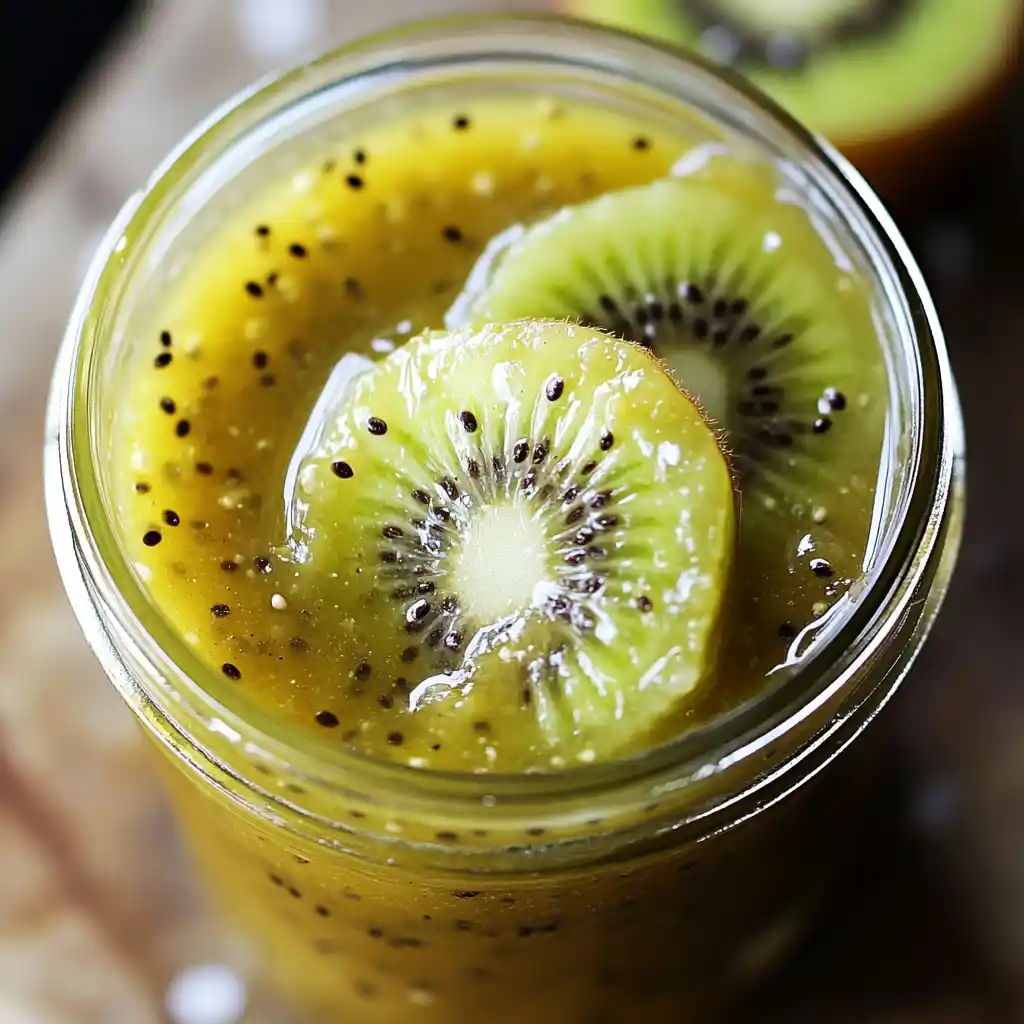
Ingredients
For the Dressing:
- 2 ripe kiwis, peeled and diced (should give slightly when pressed, like ripe avocado)
- 2 tbsp honey (local honey for more complex flavor if available)
- 2 tbsp olive oil (good quality, fruity and pleasant you’d want to taste)
- 1 tbsp fresh lemon juice (about 1/2 lemon—bottled won’t give same brightness)
- Salt and pepper to taste (start with 1/4 tsp salt, adjust up)
Instructions
- Peel your kiwis using the spoon method: cut off both ends, slide a spoon between flesh and skin, scoop out the whole fruit. Dice into rough chunks—doesn’t need to be perfect since you’re blending.
- In your blender, combine the diced kiwis, honey, olive oil, and fresh lemon juice. Blend on high speed for 30-60 seconds until completely smooth with no visible kiwi seeds or chunks. The dressing should be bright green and creamy, almost like a thin smoothie.
- Taste the blended dressing before seasoning. Is it too tart? Add another teaspoon honey and blend again. Too sweet? Add a squeeze more lemon juice. The goal is balanced sweet-tart where neither dominates.
- Season with salt and pepper to taste—start with 1/4 teaspoon salt and a few cracks of pepper, taste, and adjust up. Salt enhances all the flavors and prevents flat, one-dimensional taste. This step is crucial.
- If consistency seems too thick (should drizzle easily, not glop), add a tablespoon of water and blend again. If too thin, that’s okay—it’ll thicken slightly as it chills.
- Transfer the dressing to a jar or container with tight-fitting lid. Mason jars work perfectly.
- Refrigerate for at least 30 minutes before using—this chilling time allows flavors to meld together and dressing to thicken slightly as it cools.
- Before using, shake the jar well or stir—natural separation may occur even with kiwi’s emulsifying properties, and this is normal. The dressing should re-combine easily.
- Drizzle over green salads (especially good with spinach, arugula, or mixed greens), grilled chicken, salmon, shrimp, or roasted vegetables. Best used within 5-7 days while kiwi flavor is bright.
Nutrition Information (Per 2 tablespoons):
- Calories: 50
- Carbohydrates: 8g
- Protein: 0g
- Fat: 3.5g
- Fiber: 1g
- Sodium: 35mg
- Vitamin C: 30% DV
- Potassium: 3% DV
This dressing provides exceptional vitamin C from kiwi, plus digestive enzymes and heart-healthy fats from olive oil.
Notes:
- Use ripe kiwis that give slightly when pressed—underripe ones taste grassy and harsh.
- Taste and adjust sweet-tart balance before seasoning—kiwi sweetness varies wildly.
- Don’t skip the salt—it enhances all flavors and prevents flat, one-dimensional taste.
- Fresh lemon juice makes a huge difference over bottled—worth the extra effort.
- Chill for at least 30 minutes before using so flavors meld properly.
- Shake or stir before each use as natural separation occurs.
Storage Tips:
Store in an airtight jar or container in the refrigerator for up to 5-7 days maximum while the kiwi flavor is bright and fresh. Beyond that, it can start to taste slightly fermented as the fruit breaks down—the natural enzymes in kiwi make this less stable than vinaigrettes without fresh fruit. Shake or stir well before each use as separation is natural and normal. Don’t freeze this dressing—the emulsion will break when thawed and the texture will be grainy and unpleasant. The green color may dull slightly after a few days, which is normal oxidation.
Serving Suggestions:
- Simple Green Salad: Drizzle over mixed greens with sliced almonds and goat cheese
- Grilled Chicken: Brush on chicken during last few minutes of grilling for sweet-tart glaze
- Salmon Topper: Spoon over grilled or baked salmon for tropical twist
- Fruit Salad: Toss with fresh fruit salad for sweet dressing that’s less heavy than whipped cream
Mix It Up (Recipe Variations):
Spicy Kiwi Dressing: Add a pinch of red pepper flakes or thin slice of jalapeño to the blender for sweet-heat contrast perfect for grilled meats.
Ginger Kiwi Dressing: Add a 1/2-inch piece of fresh ginger to blender for warming, aromatic complexity incredible on Asian-inspired salads.
Tropical Kiwi Dressing: Add 1 tablespoon lime juice instead of lemon and a splash of coconut milk for more tropical, creamy version.
Herb-Infused Kiwi Dressing: Blend in fresh mint or basil leaves for herbaceous twist that’s sophisticated and refreshing.
What Makes This Recipe Special:
This kiwi honey-glazed dressing showcases kiwi’s unique properties—it contains actinidin enzyme that breaks down proteins and natural pectin that creates smooth, stable emulsions without needing traditional emulsifiers. The combination of tropical sweetness, floral honey, rich olive oil, and bright lemon creates complex flavor that elevates simple salads while doubling as a meat tenderizer and glaze.
