
Ever wonder why some rice paper rolls turn out sticky and torn while others are perfectly translucent with crisp vegetables showing through? I used to think spring rolls required restaurant skills until I discovered this foolproof Chinese watercress wrap. Now my family requests these fresh, crunchy rolls for lunch and dinner, and I’m pretty sure my Asian food-loving friends think I’ve mastered some secret technique (if only they knew I once soaked the rice paper too long and ended up with mushy wrappers that fell apart the moment I tried to roll them).
Here’s the Thing About This Recipe
What makes these Asian-style wraps work is the perfect balance of peppery watercress with earthy shiitake mushrooms and crisp vegetables, all wrapped in delicate rice paper. The secret to restaurant-quality rolls is not over-soaking the rice paper—a few seconds in warm water is all it needs, and it continues softening as you work. I learned the hard way that leaving rice paper in water too long creates a gummy, impossible-to-work-with mess. The sauce with soy sauce, sesame oil, and ginger adds that authentic Chinese flavor that makes these taste like they came from your favorite restaurant. It’s honestly that simple—no special equipment or years of practice needed, just gentle handling and proper timing.
What You’ll Need (And My Shopping Tips)
Good watercress is worth hunting down at Asian markets—look for bright green leaves with no yellowing or sliminess. Don’t cheap out on the shiitake mushrooms either; fresh shiitakes have way more flavor than regular button mushrooms and that distinctive meaty texture. I always grab extra vegetables because someone inevitably wants more rolls. For the rice paper wrappers, buy them from an Asian grocery store where they’re fresher and cheaper than the specialty aisle. The sesame oil should be toasted sesame oil for that nutty, rich flavor—regular sesame oil is too mild. Fresh ginger beats the jarred stuff every single time, and make sure your soy sauce is good quality—low-sodium is fine but those cheap brands taste like straight salt.
Here’s How We Do This
Start by preparing all your vegetables—this is crucial because once you start rolling, you need to work quickly. In a large bowl, combine your watercress, sliced shiitake mushrooms, julienned carrot, and thinly sliced red bell pepper. In a small bowl, whisk together the soy sauce, sesame oil, rice vinegar, and grated ginger until well combined. Set both aside.
Here’s where I used to mess up: I’d fill the water dish too deep and soak multiple wrappers at once. Fill a shallow dish with warm (not hot) water. Take one rice paper wrapper and dip it into the water for literally 3-5 seconds—just long enough to soften slightly. It should still feel a bit stiff when you remove it because it continues to soften.
Lay the dampened wrapper flat on a clean, smooth work surface—I use a cutting board. Place about 1/4 to 1/3 cup of the vegetable mixture in the center of the wrapper, leaving about 2 inches of space on each side. Here’s my secret: drizzle just a teaspoon or so of the soy sauce mixture over the vegetables—don’t dump it all on or your wrapper will get soggy and tear.
Now for the tricky part: fold the bottom edge of the wrapper up over the filling, then fold in both sides like you’re wrapping a burrito. Roll tightly from the bottom up, keeping gentle pressure so the roll is tight but not so tight that you tear the wrapper. The rice paper should be sticky enough to seal itself. Repeat with the remaining wrappers and filling. If you’re making these alongside Vietnamese Spring Rolls, you’ll have the most amazing fresh roll collection. Serve immediately with the remaining sauce for dipping.
When Things Go Sideways (And They Will)
Wrappers tearing and falling apart? You probably soaked them too long or rolled too tightly—remember, 3-5 seconds in water max, and gentle pressure when rolling. If your Chinese watercress wraps stuck to the work surface, your surface wasn’t smooth enough or you let the wrapper sit too long before rolling. Don’t panic, just use a wet spatula to gently loosen it. Rolls turned out mushy and falling apart? You added too much sauce directly to the filling or over-soaked the wrappers. In reality, I’ve learned to keep the sauce mostly on the side for dipping rather than inside the rolls. Vegetables falling out the ends? You didn’t leave enough space on the sides or you overfilled the wrappers—less is more with these delicate rolls. If the wrappers dried out and cracked before you could roll them, your water wasn’t warm enough or you worked too slowly. I always have a spray bottle of water nearby now to lightly mist wrappers that are drying out.
When I’m Feeling Creative
When I’m feeling fancy, I’ll add cooked shrimp or thinly sliced chicken breast for Protein-Packed Watercress Wraps that are more filling and substantial. Around summer, I’ll add fresh mint and cilantro for Herbed Asian Wraps with bright, refreshing flavors. For Spicy Watercress Wraps, I’ll add sriracha to the dipping sauce and include thinly sliced jalapeños in the filling. My vegan friends love these as-is, and for Peanut Watercress Wraps, I’ll make a peanut dipping sauce instead of the soy-based one for Thai-inspired flavor.
What Makes This Recipe Special
These Chinese watercress wraps showcase the traditional Asian technique of using rice paper to create fresh, healthy rolls that highlight raw vegetables at their crispest. Rice paper has been used in Asian cuisine for centuries to wrap fillings without adding heavy carbs or masking fresh flavors. What sets this version apart is the use of watercress, a peppery green that’s incredibly nutritious and adds a sophisticated flavor that goes beyond typical spring roll fillings. The combination of earthy shiitakes, sweet carrots, and crisp peppers creates textural variety and color, while the ginger-soy dipping sauce provides authentic Chinese flavors. This proves that restaurant-quality Asian food can be made at home with fresh ingredients and proper technique.
Things People Ask Me About This Recipe
Can I make these Chinese watercress wraps ahead of time?
These are best enjoyed within 2-3 hours of making them. If you must prep ahead, wrap each roll individually in damp paper towels, then plastic wrap, and refrigerate for up to 4 hours. The rice paper gets tough in the fridge, so bring them to room temperature before serving.
What if I can’t find watercress for these wraps?
Substitute with arugula for similar peppery flavor, or use a mix of butter lettuce and fresh herbs like mint and basil. Baby spinach works too but won’t have that distinctive peppery bite that makes watercress special.
How do I prevent rice paper from sticking to everything?
Work on a smooth, clean surface lightly misted with water. Don’t let the wrapper sit for more than a minute before rolling. If it starts sticking, lightly spray or brush water on the surface to help release it.
Can I use dried shiitake mushrooms instead of fresh?
Yes! Rehydrate dried shiitakes in hot water for 20 minutes, squeeze out excess water, then slice them. The flavor is actually more concentrated with dried mushrooms, though the texture is slightly chewier.
Are these Chinese watercress wraps beginner-friendly?
The first couple might be messy, but you’ll get the hang of it quickly! The technique is forgiving once you understand not to over-soak the wrappers. Practice with one or two before making the whole batch so you can adjust your timing.
What’s the best way to store leftover wraps?
Wrap each roll individually in damp paper towels, place in an airtight container, and refrigerate for up to 4 hours. Don’t stack them directly on top of each other or they’ll stick together. These really are best enjoyed fresh though.
One Last Thing
I couldn’t resist sharing these Chinese watercress wraps because they completely changed how my family thinks about healthy, fresh meals. The best lunch days are when I make a platter of these colorful rolls and everyone customizes their dipping sauce. Trust the quick-soak technique, don’t overfill, and you’ll understand why homemade spring rolls beat restaurant versions every single time.
Print
Chinese Watercress Wrap
Description
These fresh, vibrant Chinese watercress wraps deliver peppery greens, earthy mushrooms, and crisp vegetables in delicate rice paper with an authentic ginger-soy dipping sauce.
Prep Time: 20 minutes | Cook Time: 0 minutes | Total Time: 20 minutes | Servings: 8 wraps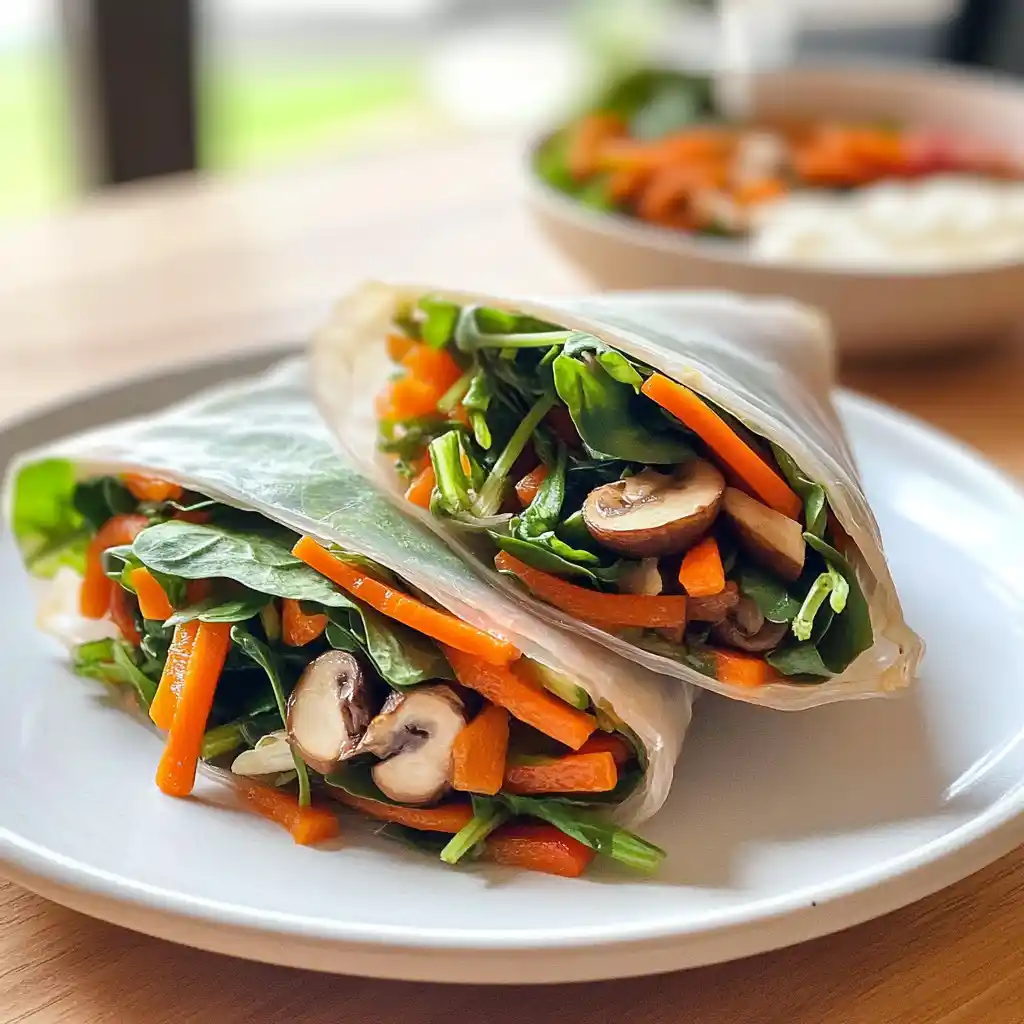
Ingredients
For the Wraps:
- 8 oz watercress (about 4 cups packed)
- 4 oz shiitake mushrooms, sliced thin (stems removed)
- 1 medium carrot, julienned into matchsticks
- 1/2 red bell pepper, thinly sliced into strips
- 8 rice paper wrappers (spring roll wrappers, usually 8-inch rounds)
For the Dipping Sauce:
- 1/4 cup soy sauce (low-sodium works great)
- 2 tbsp sesame oil (toasted sesame oil for best flavor)
- 1 tbsp rice vinegar
- 1 tsp ginger, freshly grated
Instructions
- Start by preparing all your vegetables—this is crucial because once you start rolling, you need to work quickly. In a large bowl, combine the watercress, sliced shiitake mushrooms, julienned carrot, and thinly sliced red bell pepper.
- In a small bowl, whisk together the soy sauce, sesame oil, rice vinegar, and grated ginger until well combined. Set aside for dipping.
- Fill a shallow dish or large plate with warm (not hot) water—the dish should be wider than your rice paper wrappers.
- Take one rice paper wrapper and dip it into the warm water for 3-5 seconds only—just long enough to soften slightly. It should still feel a bit stiff when you remove it because it continues softening.
- Lay the dampened wrapper flat on a clean, smooth work surface like a cutting board. Place about 1/4 to 1/3 cup of the vegetable mixture in the center of the wrapper, leaving about 2 inches of space on each side.
- Drizzle just a teaspoon of the soy sauce mixture over the vegetables—don’t dump it all on or your wrapper will get soggy.
- Fold the bottom edge of the wrapper up over the filling, then fold in both sides like you’re wrapping a burrito. Roll tightly from the bottom up, keeping gentle but firm pressure so the roll is tight without tearing the wrapper.
- Repeat with the remaining wrappers and filling. Work one at a time—don’t soak multiple wrappers at once or they’ll stick together.
- Serve the Chinese watercress wraps immediately with the remaining sauce for dipping. These are best enjoyed fresh!
Nutrition Information (Per Wrap):
- Calories: 85
- Carbohydrates: 12g
- Protein: 3g
- Fat: 4g
- Fiber: 2g
- Sodium: 520mg
- Vitamin A: 65% DV
- Vitamin C: 55% DV
- Vitamin K: 85% DV
These wraps are incredibly nutrient-dense with vitamins A, C, and K from watercress and vegetables, all in a light, fresh package.
Notes:
- Don’t over-soak the rice paper—3-5 seconds max or it gets gummy
- Work on a smooth, clean surface so wrappers don’t stick
- Less filling is better than too much—overfilling leads to tears
- Keep a spray bottle of water nearby to mist wrappers that dry out
- Rice paper continues softening after you remove it from water
Storage Tips:
- Best enjoyed within 2-3 hours of making for optimal texture
- Wrap each roll individually in damp paper towels, then plastic wrap
- Refrigerate for up to 4 hours maximum—rice paper gets tough when cold
- Don’t stack rolls directly on top of each other or they’ll stick
- Bring to room temperature before serving if refrigerated
Serving Suggestions:
- Light Lunch: Serve 2-3 wraps per person with a side of miso soup
- Appetizer: Cut each wrap diagonally in half for beautiful presentation
- Party Food: Make a platter with various dipping sauces for guests to choose
- Summer Meal: Pair with cold noodle salad for a refreshing no-cook dinner
Mix It Up (Recipe Variations):
Protein-Packed Watercress Wraps: Add 4-6 cooked shrimp or thin strips of grilled chicken breast to each wrap for more substantial, filling rolls that work as a complete meal.
Herbed Asian Wraps: Add 1/4 cup fresh mint leaves and 1/4 cup fresh cilantro to the vegetable mixture for bright, refreshing herbal notes that make these taste incredibly fresh.
Spicy Watercress Wraps: Add 1-2 teaspoons sriracha to the dipping sauce and include thinly sliced jalapeños in the filling for a spicy kick that heat lovers will devour.
Peanut Watercress Wraps: Make a Thai-inspired peanut dipping sauce by whisking together 1/4 cup peanut butter, 2 tablespoons soy sauce, 1 tablespoon lime juice, and 1 teaspoon honey.
What Makes This Recipe Special:
These Chinese watercress wraps prove that healthy, plant-forward meals can be exciting, flavorful, and satisfying without requiring cooking. The delicate rice paper showcases fresh vegetables at their crispest while the ginger-soy sauce provides authentic Asian flavor. Watercress adds sophisticated peppery notes and incredible nutrition, while shiitake mushrooms provide that meaty umami that makes these wraps substantial enough to be satisfying. Perfect for anyone who wants restaurant-quality Asian food at home without the grease, heavy sauces, or expensive delivery fees.
