
Ever wonder why restaurant soups always taste more complex than homemade versions? I used to think making flavorful vegetable soup required some secret technique until I discovered this Mediterranean spring onion soup recipe. Now my family requests this every time someone feels under the weather, and honestly, I’ve stopped admitting how quick and easy this spring onion soup actually is (they think I’m simmering it for hours).
Here’s the Thing About This Recipe
The secret to amazing spring onion soup isn’t complicated—it’s about layering those Mediterranean flavors and letting the sweet spring onions shine. I learned the hard way that sautéing the onions and garlic first makes all the difference in building depth. This Mediterranean-inspired soup works because the oregano and thyme add that herby warmth while the tomatoes bring acidity that brightens everything up. It’s honestly that simple. The blending at the end creates this velvety texture that makes it feel restaurant-fancy, but you’re literally just hitting a button.
What You’ll Need (And My Shopping Tips)
Good spring onions are worth seeking out at farmers markets in spring and early summer. Don’t cheap out on regular yellow onions here—spring onions (also called green onions or scallions when smaller) have this mild, sweet flavor that’s the whole point of this soup. I learned this after substituting regular onions once and ending up with something way too sharp (happens more than I’d like to admit). Look for spring onions with firm white bulbs and bright green tops.
The vegetable broth is your soup’s foundation, so use a quality one. I always grab the low-sodium variety so I can control the salt myself. For the vegetables, fresh is best, but honestly frozen works in a pinch for the carrots and celery if you’re in a hurry. The zucchini should be fresh though—frozen gets too mushy.
Oregano and thyme are classic Mediterranean herbs that give this soup its character. Dried works great here and actually has more concentrated flavor than fresh for long-simmering soups. The canned tomatoes should be good quality—San Marzano if you can find them, but any diced tomatoes work. I always grab the ones with basil already added because it saves a step.
Fresh parsley for garnish isn’t optional—it adds that pop of color and fresh flavor right before serving. Dried parsley looks sad and doesn’t taste like anything, so skip it if you can’t find fresh.
Here’s How We Do This
Start by heating your olive oil in a large pot over medium heat. Toss in those chopped spring onions and minced garlic, and let them sauté until they smell amazing—about 3-4 minutes. Here’s where I used to mess up: I’d rush this step and not get enough caramelization. Let them cook until the onions are soft and starting to turn golden.
Add your carrots, celery, and zucchini to the pot. Now for the fun part—cook these vegetables for about 5 minutes, stirring occasionally, until they’re slightly softened. This step is important because it starts the cooking process and develops more flavor.
Pour in that vegetable broth and the canned tomatoes with all their juices. Don’t drain those tomatoes—that liquid is pure flavor. Stir in the oregano, thyme, salt, and pepper. I learned this trick from my Greek neighbor: add the herbs early so they have time to bloom in the liquid.
Bring everything to a boil, then drop the heat to low and let it simmer for 20-25 minutes. You want all those vegetables tender enough that a fork slides right through. This is when your kitchen starts smelling incredible and people wander in asking when dinner’s ready.
Taste and adjust the seasoning—every batch needs something slightly different depending on your broth and tomatoes. Here’s my secret: I always add a tiny pinch of sugar if the tomatoes are too acidic. Now grab your immersion blender and blend until smooth, or carefully transfer to a regular blender in batches. I prefer leaving it slightly chunky for texture, but totally smooth works too.
Serve hot with fresh parsley scattered on top. This soup is delicious on its own, but I love it with crusty bread for dipping, similar to how you’d serve classic vegetable soup. Trust me on this one.
If This Happens, Don’t Panic
Soup too thick after blending? You probably didn’t add enough broth, or it reduced too much during simmering. This is totally fixable—just add more broth or water a little at a time until you reach your desired consistency. In reality, I’ve learned to keep extra broth on hand because thickness preferences vary.
Spring onions tasting too sharp? They might have been older or you didn’t cook them long enough at the beginning. Let them sauté an extra few minutes next time to mellow out. If your Mediterranean spring onion soup tastes too oniony, add a teaspoon of honey to balance it out.
Vegetables still crunchy after simmering? Your heat might have been too low, or you needed more time. Just keep simmering until everything’s tender—it won’t hurt the soup. Every stove has its own personality, so trust your fork test over the timer.
Soup tastes flat? You probably need more salt or acid. Add salt gradually, tasting as you go. A squeeze of lemon juice at the end brightens everything up and makes all the flavors pop. This is what separates okay soup from amazing soup.
When I’m Feeling Creative
Lemony Spring Onion Soup: Add the zest and juice of one lemon at the end for a bright, Greek-inspired version. Around spring holidays, I’ll make this when I want something lighter.
Creamy Mediterranean Soup: Stir in 1/4 cup of heavy cream or coconut milk after blending for a richer, more indulgent bowl. My kids actually prefer this version.
Chunky Vegetable Version: Skip the blending step entirely and serve it as a rustic vegetable soup with all those beautiful colors showing through.
White Bean Spring Onion Soup: Add a can of drained white beans before blending for extra protein and creaminess. This makes it hearty enough to be a main dish.
What Makes This Recipe Special
Spring onion soup has roots in Mediterranean cuisine where seasonal vegetables and aromatic herbs form the backbone of simple, nourishing dishes. What sets this version apart is how blending creates a silky texture while still celebrating the mild sweetness of spring onions—a vegetable often relegated to garnish duty but capable of being the star. I discovered through trial and error that the combination of oregano and thyme provides that distinctly Mediterranean character without overwhelming the delicate onion flavor, while the tomatoes add just enough acidity to keep things interesting. This soup represents the Mediterranean philosophy of letting quality seasonal ingredients shine with minimal fuss.
Things People Ask Me About This Recipe
Can I make this spring onion soup ahead of time?
Absolutely. This soup actually tastes better the next day after all the flavors have melded together. Make it up to 3 days ahead and store in the fridge. Just reheat gently on the stove and adjust seasoning before serving. I usually make a double batch specifically so we have leftovers.
What if I can’t find spring onions for this recipe?
Leeks are your best substitute—they have a similar mild, sweet flavor. Use the white and light green parts only. Regular green onions work too, but you’ll need more of them (about 2-3 bunches). In a real pinch, use sweet onions like Vidalia, but the flavor won’t be quite as delicate.
Can I freeze this Mediterranean spring onion soup?
Yes, it freezes beautifully for up to 3 months. Let it cool completely, then freeze in airtight containers or freezer bags. Thaw overnight in the fridge and reheat on the stove. The texture might be slightly different after freezing, but the flavor stays great.
Is this spring onion soup vegan?
It already is if you use vegetable broth. Make sure your broth doesn’t contain any animal products, and you’re good to go. This is one of those naturally plant-based recipes that doesn’t sacrifice any flavor.
How can I make this soup more filling?
Add cooked pasta, rice, or crusty bread on the side. White beans or chickpeas stirred in before blending make it heartier. I sometimes serve it over toasted bread in the bowl, which soaks up all that delicious broth.
What’s the best way to reheat leftover soup?
Stovetop reheating works best—warm it gently over medium-low heat, stirring occasionally. Microwave works in a pinch but can create hot spots. Add a splash of broth or water if it’s thickened up in the fridge.
One Last Thing
I couldn’t resist sharing this Mediterranean spring onion soup recipe because it’s honestly become my go-to comfort food for every season. The best soup nights are when everyone’s going back for seconds and the kitchen smells like a Mediterranean countryside—and this recipe delivers that cozy, nourishing warmth every single time.
Print
Mediterranean Spring Onion Soup
Description
This comforting Mediterranean soup showcases sweet spring onions with aromatic herbs, fresh vegetables, and tomatoes. Perfect for chilly evenings or when you need something nourishing, this spring onion soup comes together in under 45 minutes with simple ingredients.
Prep Time: 15 minutes | Cook Time: 30 minutes | Total Time: 45 minutes | Servings: 6 servings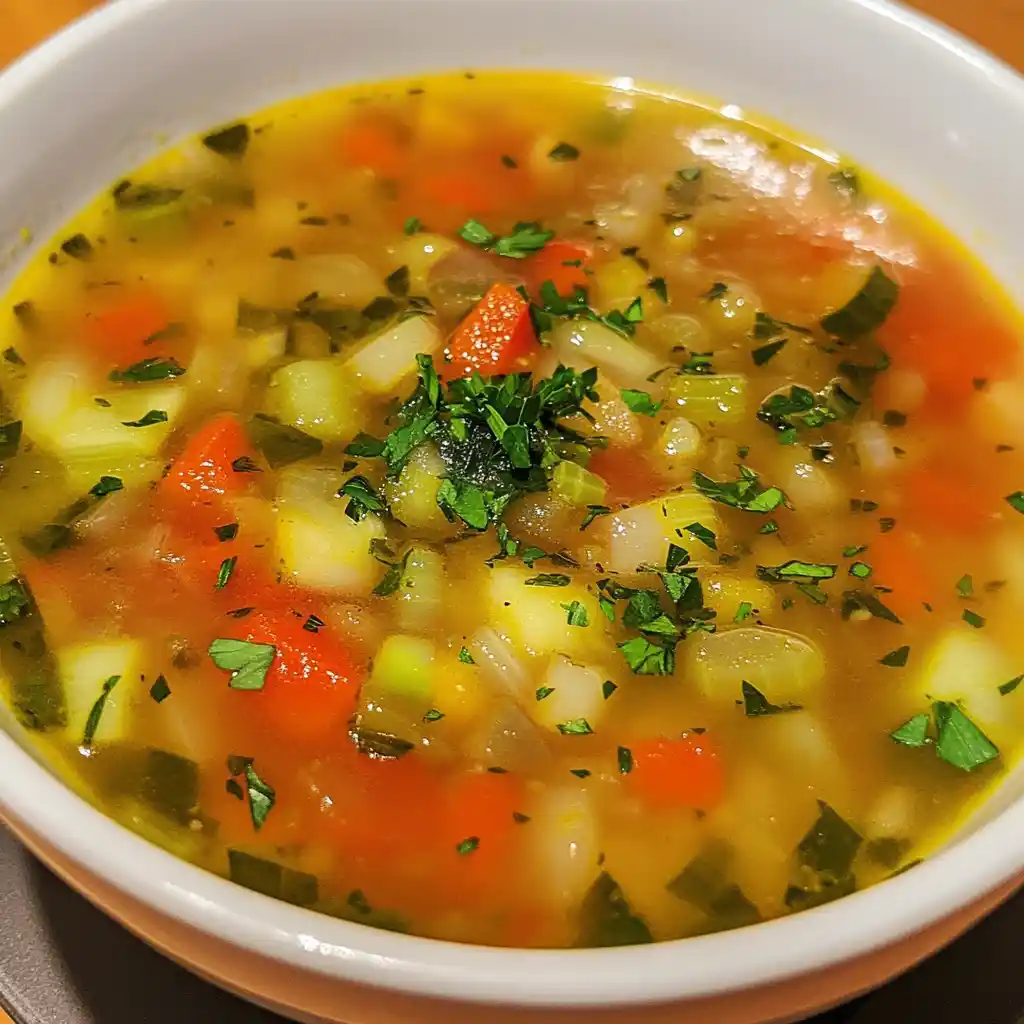
Ingredients
- 2 tbsp olive oil (use extra virgin for best flavor)
- 4 cups vegetable broth (low-sodium so you can control salt)
- 1 lb spring onions, chopped (both white and green parts, about 2–3 bunches)
- 3 cloves garlic, minced (don’t use jarred—fresh makes a difference)
- 1 cup diced carrots (about 2 medium carrots)
- 1 cup diced celery (about 2 stalks)
- 1 cup diced zucchini (about 1 medium zucchini)
- 1 can (14 oz) diced tomatoes (with juices, San Marzano if you can find them)
- 1 tsp dried oregano (Mediterranean oregano is best)
- 1 tsp dried thyme (crush it between your fingers to release oils)
- Salt and pepper, to taste (start with 1/2 tsp salt, 1/4 tsp pepper)
- Fresh parsley, for garnish (a handful, chopped)
Instructions
- Heat olive oil in a large pot over medium heat. Don’t rush—let the pot get properly warm first.
- Add your chopped spring onions and minced garlic. Sauté for 3-4 minutes until they’re soft and fragrant and starting to turn golden. This step builds flavor, so don’t skip ahead.
- Toss in the carrots, celery, and zucchini. Cook for about 5 minutes, stirring occasionally, until they’re slightly softened and starting to smell amazing.
- Pour in the vegetable broth and those diced tomatoes with all their juices. Stir in the oregano, thyme, salt, and pepper. Give everything a good stir to combine.
- Crank the heat up and bring the soup to a boil. Once it’s boiling, drop the heat to low and let it simmer for 20-25 minutes. You want all those vegetables fork-tender.
- Taste and adjust your seasoning. Every batch is different, so trust your taste buds. Add more salt, pepper, or even a tiny pinch of sugar if the tomatoes are too acidic.
- Remove from heat. Grab your immersion blender and blend until smooth, or carefully transfer to a regular blender and blend in batches. Be careful with hot liquids.
- Serve hot with fresh chopped parsley scattered on top. Crusty bread for dipping is highly recommended.
Nutrition Information (Per Serving):
- Calories: 95
- Carbohydrates: 14g
- Protein: 3g
- Fat: 5g
- Fiber: 4g
- Sodium: 480mg
- Vitamin A: 85% DV
- Vitamin C: 35% DV
- Potassium: 12% DV
Spring onions provide vitamin K and antioxidants, while the variety of vegetables offers multiple vitamins and minerals.
Notes:
- Don’t rush the sautéing step at the beginning. That’s where you build flavor.
- Keep extra broth on hand in case your soup gets too thick after blending.
- Every stove has its own personality, so trust the fork test over the timer for vegetable tenderness.
- If your tomatoes are particularly acidic, add a tiny pinch of sugar to balance things out.
- Use the entire spring onion—both white and green parts have flavor.
Storage Tips:
Store leftovers in an airtight container in the fridge for up to 5 days. This soup actually tastes better the next day after flavors meld. Freeze in freezer-safe containers for up to 3 months. Thaw overnight in the fridge and reheat gently on the stovetop, adding a splash of broth if needed. Don’t refreeze after thawing.
Serving Suggestions:
- With Crusty Bread: Serve alongside toasted sourdough or ciabatta for dipping into the smooth soup
- Greek-Style: Top with crumbled feta cheese and a drizzle of olive oil
- Over Toasted Bread: Pour hot soup over toasted bread in the bowl for a rustic, filling meal
- Light Lunch: Pair with a simple green salad dressed with lemon vinaigrette
Mix It Up (Recipe Variations):
Lemony Spring Onion Soup: Add the zest and juice of one lemon after blending for a bright, Greek-inspired version with extra zing.
Creamy Mediterranean Soup: Stir in 1/4 cup heavy cream or coconut milk after blending for a richer, more indulgent bowl that’s still flavorful.
Chunky Vegetable Version: Skip the blending step entirely and serve as a rustic vegetable soup showcasing all those beautiful colors.
White Bean Spring Onion Soup: Add one 15-oz can of drained white beans before blending for extra protein and creamier texture.
What Makes This Recipe Special:
This Mediterranean spring onion soup celebrates seasonal vegetables in the tradition of simple Mediterranean cooking where quality ingredients need little embellishment. Blending creates an elegant silky texture while preserving the mild sweetness of spring onions—a vegetable often underutilized as a main ingredient. The combination of oregano and thyme provides distinctly Mediterranean character without overwhelming the delicate onion flavor, representing the region’s philosophy of letting seasonal produce shine.
