
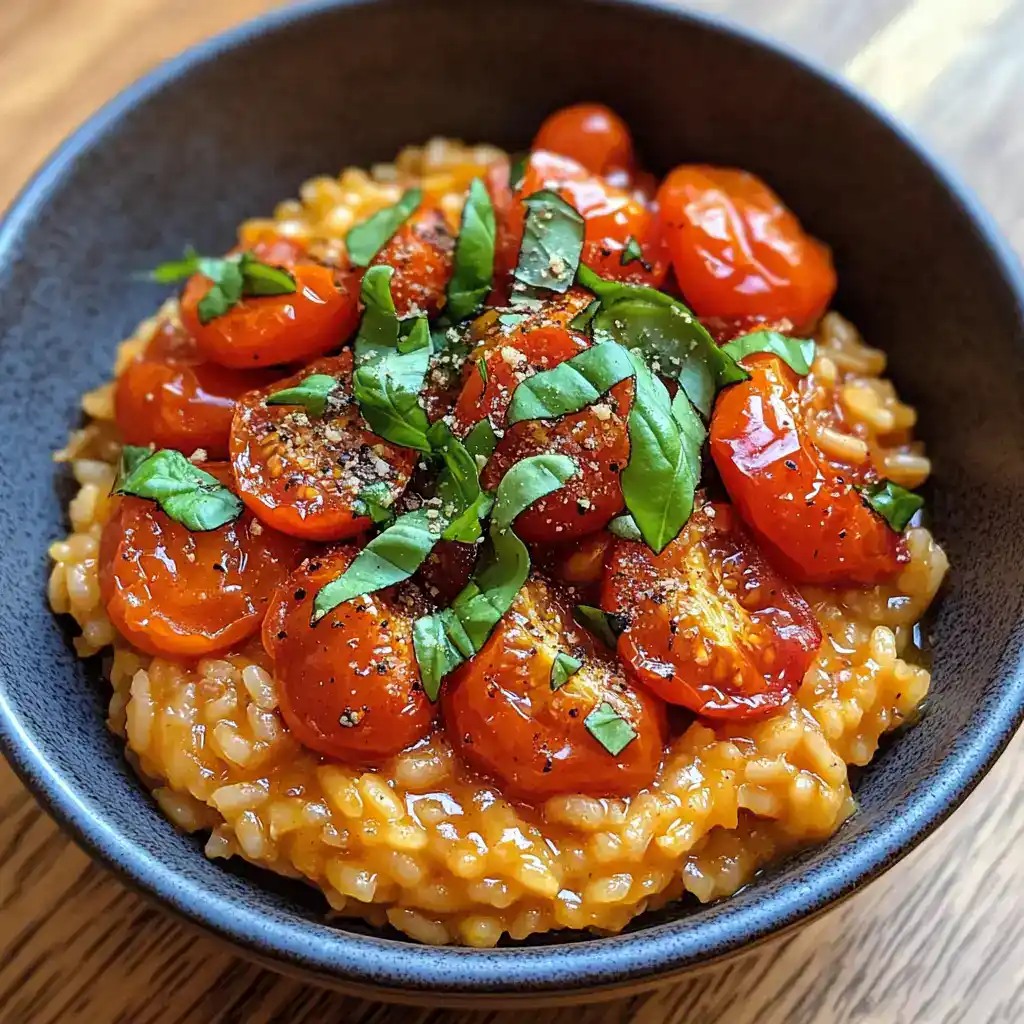
There’s something utterly magical about the moment you cut into one of these plump pasta pillows and discover the aromatic garlic filling nestled inside. The intense, roasted garlic aroma rises from the plate, mingling with the scent of brown butter and fresh herbs. The first time I served this at a dinner party, conversation literally stopped as everyone took their first bite. Eyes closed in appreciation, then widened in surprise at the unexpected depth of flavor from such simple ingredients. My Italian friend Paolo, who rarely compliments non-traditional pasta, asked for the recipe – the ultimate seal of approval! This isn’t just pasta; it’s a revelation of how humble garlic, when treated with respect and technique, can be transformed into something extraordinary. The contrast between the tender pasta exterior and the rich, creamy garlic filling creates a perfect bite that somehow manages to be both comforting and sophisticated at the same time. It’s become my signature dish for everything from casual weeknight dinners to special occasions when I want to impress without spending hours in the kitchen.
Why This Recipe Works
These noodles with garlic stuffing succeed by understanding the fundamental chemistry of garlic and how different cooking methods transform its flavor. Raw garlic’s sharp pungency mellows into sweet, nutty complexity through slow roasting, while quick-sautéed garlic provides bright, aromatic notes. By combining both preparations in the filling, we create layers of garlic flavor that unfold as you eat.
The pasta itself is calibrated to complement the intense filling – slightly thicker than traditional stuffed pasta to provide structural support while remaining tender. The dough incorporates a touch of olive oil, which not only enhances flavor but also creates a more forgiving dough that’s easier for home cooks to handle.
The sauce is intentionally simple, allowing the garlic-stuffed noodles to remain the star. A brown butter base provides rich nuttiness that echoes the roasted garlic notes, while a splash of starchy pasta water creates a silky emulsion that clings to each piece. My culinary instructor called it “a perfect study in restraint and balance.” When a professional chef acknowledges the technical merit of your creation, you know you’ve discovered something worthwhile.
Key Components Breakdown
Essential Ingredients
Garlic – The undisputed star that appears in multiple forms. For the filling, combine slow-roasted whole heads (which develop sweet, caramelized notes) with quickly sautéed minced cloves (which maintain bright, punchy flavor). Quality matters – look for firm, heavy heads with tight skin and no sprouting. I prefer hardneck varieties for their complex flavor, though regular supermarket garlic works beautifully too.
All-Purpose Flour – The foundation for a forgiving pasta dough. The moderate protein content creates dough that’s easy to work with while still developing enough gluten for proper texture. Italian “00” flour produces a more refined result if available, but isn’t necessary for success. I sometimes substitute a portion (about 25%) with semolina for added texture and flavor.
Eggs – Provide richness, color, and binding structure to the pasta dough. Farm-fresh eggs with bright orange yolks create the most beautiful golden pasta. Room temperature eggs incorporate more easily into the dough. The proteins in eggs create the appropriate structure for stuffed pasta.
Ricotta – Creates a creamy base that carries the garlic flavor in the filling. Fresh, high-quality ricotta makes a significant difference – look for whole milk versions without stabilizers or gums. Drain it for 30 minutes in a fine-mesh sieve if particularly wet. The slight tanginess balances the sweet roasted garlic perfectly.
Fresh Herbs – Brighten the dish and provide color contrast. Parsley contributes fresh, grassy notes, while a touch of thyme offers earthy complexity that complements the garlic. Always use fresh herbs here – dried versions can’t provide the same aromatic lift. I grow my own herbs when possible for the freshest flavor.
Brown Butter – Provides the perfect sauce foundation. The process of browning butter creates nutty, toasted milk solids that echo the flavor compounds in roasted garlic. Use unsalted butter to control the final salt level precisely. European-style butter with higher fat content creates the richest brown butter sauce.
Equipment Needed
Pasta Machine – While not absolutely necessary (you can roll by hand), a machine creates uniform thickness essential for even cooking. Hand-cranked models work perfectly and allow better control than electric versions. The ability to adjust thickness settings helps create the slightly thicker sheets ideal for stuffed pasta.
Baking Dish – For roasting garlic heads. A small ceramic dish with lid or foil creates the moist environment needed for perfect garlic roasting. The size should be snug enough to keep garlic heads close together for even cooking.
Large, Wide Skillet – Essential for the final sauce and pasta finishing stage. The wide surface area allows pasta to be coated evenly without crowding. Heavy-bottomed versions prevent the butter from burning during the browning process.
Sharp Knife or Pasta Wheel – Creates clean cuts that seal properly. Ragged edges can open during cooking, letting the precious filling escape. A fluted pasta wheel creates traditional decorative edges that also help seal the pasta.
Kitchen Scale – For measuring flour accurately. Volume measurements can vary widely for flour, but weight is consistent. This precision makes a significant difference in dough consistency. For reference, 1 cup of all-purpose flour weighs approximately 120-125 grams.
The Technique Section
Critical Steps
Roasting garlic properly develops its sweet complexity. Cut the top quarter off whole garlic heads to expose cloves, drizzle with olive oil, and sprinkle with salt. Wrap tightly in foil or cover in a small baking dish, then roast at 375°F (190°C) for 45-60 minutes until completely soft and caramelized. Patience here transforms harsh raw garlic into sweet, spreadable gold. I learned to test doneness by gently squeezing the head – it should yield easily when perfectly roasted.
Creating balanced filling requires multiple garlic preparations. Squeeze roasted cloves into a bowl (about 2 heads worth), then add 2-3 cloves of freshly sautéed minced garlic that’s been gently cooked in olive oil just until fragrant. This dual approach provides both deep, sweet notes and bright aromatic punch. I discovered this technique after noticing that single-preparation garlic fillings lacked complexity.
Rolling pasta to the proper thickness is crucial for stuffed formats. Start with setting #1 (widest) on your machine and gradually progress to #5 (medium-thin). This creates sheets thick enough to contain the filling without breaking but thin enough to cook properly and provide pleasant texture. Thinner settings used for flat pasta would be too delicate for stuffing.
Sealing the pasta completely prevents filling leakage. After placing small mounds of filling (about 1 teaspoon) on the pasta sheet, brush the surrounding areas with water or egg wash. Press firmly around each mound to remove air pockets before cutting. Air trapped inside expands during cooking and can cause bursting. I test each seal by gently pressing the edges between my fingers.
Cooking the pasta requires attention to timing. These stuffed noodles need about 3-4 minutes in gently boiling water – more than flat pasta but less than you might expect. They’re done when they float to the surface and the edges are tender but still have slight resistance. Taste-testing a corner is the most reliable method. Cooking too long causes the filling to become watery as moisture penetrates.
Temperature and Timing
Garlic roasting temperature (375°F/190°C) balances between developing flavor and preventing burning. Lower temperatures take too long while higher temperatures risk bitter charred notes. The 45-60 minute timing depends on garlic head size and freshness – older garlic typically roasts faster.
Pasta dough benefits from resting at room temperature for 30 minutes after mixing. This relaxes the gluten, making rolling easier while developing proper structure. Pasta dough that hasn’t rested adequately will fight you during rolling, springing back and refusing to maintain its thinness.
Water temperature for cooking pasta should be at a gentle boil rather than a rolling boil. Too vigorous bubbling risks breaking open the delicate stuffed pieces. The water should be as salty as the sea – about 1 tablespoon salt per quart of water – to properly season the pasta during its brief cooking time.
Brown butter requires constant attention at medium heat, taking 5-7 minutes to develop proper color. Watch for milk solids to turn amber and emit a nutty aroma. Remove from heat immediately when it reaches this point, as residual heat continues the browning process. Timing varies based on butter quantity and pan material.
Finished pasta should rest in the sauce for 1-2 minutes before serving. This final stage allows the noodles to absorb flavor while the sauce thickens slightly from the starchy pasta water. Too long and the pasta becomes soggy; too brief and the components remain separate rather than unified.
Troubleshooting Guide
Common Issues
Filling leaking during cooking? The pasta was likely not sealed properly or was rolled too thin. For this batch, reduce cooking time slightly and handle very gently when removing from water. In the future, ensure complete sealing by pressing firmly around the filling and consider rolling pasta slightly thicker.
Pasta dough too dry and cracking? Add moisture gradually – 1/2 teaspoon of water at a time, kneading after each addition until the dough feels smooth and pliable. Ambient humidity affects flour’s moisture content, so adjustments are sometimes necessary even with precise measurements.
Dough too sticky to work with? Dust with minimal flour as needed during rolling, but avoid working excess flour into the dough. Too much flour makes the pasta tough. Allow the dough to rest longer, which helps redistribute moisture and often resolves stickiness without additional flour.
Brown butter sauce breaking or appearing oily? The emulsion failed. Whisk in 1-2 tablespoons of pasta cooking water and remove from heat temporarily while whisking vigorously. The starch in the water helps stabilize the sauce. For future batches, add pasta water earlier in the process.
Garlic flavor too subtle or overwhelming? Adjust the balance in future batches. For stronger flavor, increase the freshly sautéed component. For milder results, use more roasted garlic which is naturally sweeter and less pungent. This calibration may take a couple of attempts to perfect for your taste.
Variations and Adaptations
Seasonal Options
Spring freshness: Add finely chopped ramps or green garlic to the filling when in season. These springtime alliums add bright, complex flavor that complements the roasted garlic beautifully. Finish with fresh peas and tender herbs like chervil and chives.
Summer garden bounty: Incorporate slow-roasted cherry tomatoes into the brown butter sauce, where they’ll burst and create a light, fresh counterpoint to the rich garlic filling. Fresh basil makes the perfect finishing herb for this summery variation.
Fall comfort: Add a spoonful of roasted butternut squash puree to the filling along with a pinch of nutmeg and sage. The sweetness of the squash amplifies the caramelized garlic notes while adding beautiful golden color to the filling.
Winter warming: Enhance the filling with caramelized onions and a touch of thyme. Serve with a fuller sauce incorporating pancetta and a splash of cream for a heartier dish perfect for cold evenings. Finish with toasted walnuts for textural contrast.
Dietary Modifications
For egg-free pasta dough, substitute 1/4 cup water mixed with 1 tablespoon ground flaxseed per egg. This creates a binding effect similar to eggs while adding subtle nutty notes that complement the garlic filling. The dough requires gentler handling but produces excellent results.
Gluten-free adaptation uses a blend of rice flour, tapioca starch, and xanthan gum (3:1:0.5 ratio) with an additional egg for binding. The texture differs from traditional pasta but maintains the essential experience. Several friends with celiac disease have praised this version.
Dairy-free filling replaces ricotta with pureed silken tofu or a commercial plant-based ricotta alternative. Add 1 tablespoon nutritional yeast for depth, and replace butter in the sauce with high-quality olive oil infused with herbs. The garlic remains the star, so the dish maintains its essential character.
Lower-calorie version thins the filling with pureed white beans, which add protein while reducing fat content. Use less pasta per portion, focusing on the flavorful filling, and create a lighter sauce using pasta water, lemon juice, and minimal olive oil instead of brown butter.
Storage and Make-Ahead
Each component can be prepared separately in advance, making assembly efficient. Roasted garlic keeps refrigerated for up to 5 days and actually improves in flavor over the first day or two. The complete filling mixture can be refrigerated for up to 3 days in an airtight container.
Pasta dough refrigerates beautifully for up to 2 days, wrapped tightly in plastic. Bring to room temperature for 30 minutes before rolling. This advance preparation breaks the process into manageable steps for busy cooks or entertaining.
Fully assembled but uncooked pasta can be refrigerated for up to 24 hours, lightly dusted with flour and covered with a slightly damp cloth. For longer storage, freeze on a baking sheet until solid, then transfer to airtight containers and freeze for up to 1 month. Cook directly from frozen, adding 1-2 minutes to cooking time.
Leftover cooked pasta keeps refrigerated for 2-3 days, though the texture suffers somewhat. Reheat gently with a splash of water in a covered skillet over low heat. Add a fresh drizzle of olive oil or butter after reheating to revive the sauce.
For entertaining, prepare everything up to the cooking stage. Having the filled pasta ready to boil and the garlic butter components measured means you can finish the dish in minutes while guests enjoy appetizers. This approach ensures the freshest possible pasta with minimal last-minute effort.
FAQ
Can I use store-bought pasta sheets instead of making my own?
Yes, though with some adjustments. Fresh pasta sheets from specialty stores work best – they should be pliable and about 1/16-inch thick. Commercial wonton wrappers can substitute in a pinch, though the texture and flavor will differ from traditional pasta. If using pre-made sheets, you may need to thin the filling slightly with a tablespoon of cream as commercial pasta tends to be less forgiving than homemade.
How strong is the garlic flavor in the final dish?
The beauty of this recipe is how it transforms garlic’s character. Rather than the sharp pungency of raw garlic, the filling offers complex sweetness from the roasted garlic balanced by bright aromatic notes from the sautéed portion. The result is pronounced but not overwhelming, with layered garlic flavor rather than harsh intensity. Even those who find raw garlic too strong typically enjoy this preparation.
Can I prepare these in different shapes?
Absolutely! The filling works beautifully in traditional ravioli, larger square agnolotti, or even folded triangles similar to tortellini. Just adjust the amount of filling based on the size – large ravioli might take 1 tablespoon while small shapes need just 1/2 teaspoon. The key is maintaining the proper ratio of pasta to filling and ensuring complete seals around the edges.
What’s the best way to serve this for a dinner party?
For maximum impact with minimal stress, prepare the pasta earlier in the day and refrigerate it uncooked. Just before serving, bring a large pot of water to a gentle boil while you make the brown butter sauce. Cook the pasta for 3-4 minutes, then transfer directly to the sauce with a slotted spoon, adding a splash of pasta water to create a silky emulsion. Serve immediately in warmed bowls, finishing with a light grating of Parmesan and fresh herbs. For larger groups, work in batches rather than overcrowding the cooking or sauce pots.
Closing Thoughts
The best pasta experiences happen when humble ingredients are elevated through thoughtful technique. There’s something deeply satisfying about transforming common garlic – an ingredient found in kitchens worldwide – into something that makes people pause mid-conversation to fully appreciate what they’re tasting.
Around here, these garlic-stuffed noodles have become our go-to dish for impressing visitors without spending all day in the kitchen. My daughter loves helping roll the pasta sheets and seal the little packets, learning the foundations of Italian cooking while creating something uniquely our own. These are the kitchen moments I treasure most – passing down techniques while encouraging creativity and personal expression through food.
I couldn’t resist bringing these to our neighborhood’s potluck dinner last spring. By evening, I’d received three text messages asking for the recipe and invitations to two dinner parties with requests to demonstrate the pasta-making process. There’s something wonderful about a dish that not only delights in the moment but creates connections and inspires others to explore their own culinary creativity.
Whether you’re an experienced pasta maker looking for a new filling or someone trying homemade pasta for the first time, this garlic-stuffed version offers both accessibility and sophistication. The techniques are straightforward, the ingredients humble, but the result is truly extraordinary – proof that great cooking often comes from understanding ingredients deeply rather than using exotic components. I hope these noodles bring as much joy to your table as they have to mine!
Print
Noodles with Garlic Stuffing
Description
Tender pasta parcels filled with a luxurious blend of sweet roasted and aromatic fresh garlic, finished with nutty brown butter and herbs – a sophisticated dish built from humble ingredients
Prep Time: 1 hour 30 minutes | Cook Time: 30 minutes | Total Time: 2 hours | Servings: 4
Ingredients
For the Roasted Garlic:
- 2 whole heads of garlic
- 2 tablespoons olive oil
- 1/2 teaspoon salt
- 1/4 teaspoon freshly ground black pepper
For the Pasta Dough:
- 2 cups (250g) all-purpose flour, plus more for dusting
- 3 large eggs, room temperature
- 1 tablespoon olive oil
- 1/2 teaspoon salt
For the Garlic Filling:
- All of the roasted garlic cloves
- 3 cloves fresh garlic, minced
- 1 tablespoon olive oil
- 1 cup whole milk ricotta, drained if very wet
- 1/3 cup grated Parmesan cheese
- 1 egg yolk
- 2 tablespoons chopped fresh parsley
- 1 teaspoon fresh thyme leaves
- 1/4 teaspoon grated nutmeg
- Salt and freshly ground black pepper to taste
For the Brown Butter Sauce:
- 6 tablespoons unsalted butter
- 2 cloves garlic, thinly sliced
- 6 fresh sage leaves
- 1/4 cup reserved pasta cooking water
- 1 tablespoon fresh lemon juice
- Salt and freshly ground black pepper to taste
For Garnish:
- Additional grated Parmesan
- Fresh parsley, chopped
- Red pepper flakes (optional)
Instructions
- Roast the garlic: Preheat oven to 375°F (190°C). Cut the top quarter off each garlic head to expose the cloves. Place in a small baking dish, drizzle with olive oil, and sprinkle with salt and pepper. Cover tightly with foil and roast for 45-60 minutes until the cloves are deeply golden and completely soft. Let cool until comfortable to handle.
- While the garlic roasts, prepare the pasta dough: On a clean work surface or in a large bowl, create a mound with the flour and make a well in the center. Crack eggs into the well, add olive oil and salt. Using a fork, gradually incorporate flour from the inner edges while beating the eggs. Once a shaggy dough forms, begin kneading with your hands until smooth and elastic, about 8-10 minutes. The dough should be firm but pliable, not sticky. Wrap in plastic and let rest at room temperature for 30 minutes.
- Prepare the filling: Heat 1 tablespoon olive oil in a small skillet over medium-low heat. Add the minced fresh garlic and sauté gently until fragrant and softened but not browned, about 2 minutes. Remove from heat and let cool.
- Squeeze the roasted garlic cloves from their skins into a medium bowl. Add the sautéed garlic, ricotta, Parmesan, egg yolk, herbs, and nutmeg. Mix thoroughly and season with salt and pepper to taste. The filling should be creamy but hold its shape. Cover and refrigerate until ready to use.
- Roll the pasta: Divide the rested dough into 4 portions. Working with one portion at a time (keeping others wrapped), flatten slightly and run through a pasta machine starting at the widest setting. Fold in thirds like a letter and run through again. Repeat this folding process 2-3 times on the widest setting to develop structure. Then roll through progressively narrower settings until reaching thickness #5 (medium-thin). You should be able to see your hand through the sheet, but it shouldn’t tear easily.
- Form the stuffed pasta: Lay the sheet on a lightly floured surface. Place 1 teaspoon mounds of filling along the bottom half of the sheet, leaving 1.5 inches between each mound. Brush the exposed pasta lightly with water. Fold the top half over the filling, pressing firmly around each mound to seal and remove air pockets. Use a fluted pasta cutter or sharp knife to cut between the mounds, creating square or rectangular parcels. Transfer to a floured baking sheet. Repeat with remaining dough and filling.
- Cook the pasta: Bring a large pot of generously salted water to a gentle boil. While the water heats, prepare the sauce.
- Make the brown butter sauce: In a large, wide skillet over medium heat, melt the butter. Add the sliced garlic and sage leaves. Cook, swirling occasionally, until the butter solids turn golden brown and smell nutty, about 5-7 minutes. Watch carefully to prevent burning. Remove from heat if it’s browning too quickly.
- Cook the pasta in batches if necessary to avoid crowding. Gently drop the pasta into the boiling water and cook for 3-4 minutes until they float to the surface and the edges are tender. Using a slotted spoon, transfer directly to the brown butter sauce.
- Finish the dish: Return the sauce to medium-low heat. Add 1/4 cup of the pasta cooking water and the lemon juice to the brown butter. Gently toss the pasta in the sauce until well coated, adding more pasta water if needed to create a silky consistency. Season with salt and pepper to taste.
- Serve immediately on warmed plates. Garnish with additional Parmesan, fresh parsley, and red pepper flakes if desired.
Notes:
- For the best texture, use a scale to measure flour precisely
- The pasta can be made and filled up to 24 hours ahead and refrigerated
- For a deeper garlic flavor, increase the roasted garlic; for a brighter note, add more fresh garlic
- Test the filling by cooking a small amount in the microwave to check seasoning
- If you don’t have a pasta machine, roll the dough by hand as thinly as possible
Nutritional Information:
Per serving: Calories: 590, Protein: 24g, Carbohydrates: 55g, Fat: 32g, Fiber: 3g, Sugar: 3g
Storage Tips:
Uncooked filled pasta can be refrigerated for up to 24 hours or frozen for up to 1 month. Freeze on a baking sheet until solid, then transfer to airtight containers. Cook frozen pasta directly from frozen, adding 1-2 minutes to the cooking time. Leftover cooked pasta can be refrigerated for 2-3 days; reheat gently with a splash of water.
