
Ever wonder why homemade tortillas from Mexican restaurants taste so much better than the packaged ones? I used to think making authentic soft taco shells from scratch was reserved for grandmothers with decades of practice until I discovered this foolproof recipe. Now I make fresh flour tortillas at least once a week, and honestly, my family refuses to go back to store-bought (which is saying something considering the first time I tried, I rolled them so thick they were basically flatbread and refused to fold without cracking into a million pieces).
Here’s the Thing About This Recipe
What makes homemade flour tortillas work so beautifully is the balance between tender texture and just enough structure to hold your taco fillings without falling apart. I learned the hard way that you can’t rush the resting time or skip the kneading—those steps develop the gluten that gives tortillas their characteristic flexibility and soft chew. These Mexican-inspired soft taco shells use just five simple pantry ingredients but require proper technique to get that pillowy, slightly chewy texture everyone loves. It’s honestly that simple once you understand the dough consistency and rolling rhythm, and no fancy equipment needed beyond a rolling pin.
What You’ll Need (And My Shopping Tips)
Good all-purpose flour is all you need here—don’t overthink it with bread flour or cake flour. I use whatever’s in my pantry and it works perfectly. Baking powder gives these tortillas a slight puff and tender texture that sets them apart from totally flat versions. Don’t cheap out on old baking powder that’s lost its potency (happens more than I’d like to admit when I forget to check expiration dates and wonder why my tortillas are dense).
Vegetable oil creates soft, pliable tortillas—I use canola or vegetable oil, though melted lard is traditional and gives incredible flavor if you can find it. Warm water should be just warm to the touch, not hot—you’re not trying to activate yeast, just create a workable dough. Salt is simple but essential for flavor.
I always make a double batch because these disappear fast and freeze beautifully. Fresh homemade tortillas are so much better than store-bought that once you taste the difference, there’s no going back. For more details on the cultural importance of flour tortillas, check out this guide to Mexican tortillas from Food Network.
Let’s Make This Together
Start by mixing your flour, salt, and baking powder in a large bowl. Here’s where I used to mess up—I’d just stir it with a fork, but whisking thoroughly ensures the baking powder and salt are evenly distributed so every tortilla tastes consistent.
Add the vegetable oil and warm water to the flour mixture. Mix everything with a wooden spoon or your hands until a shaggy dough forms. It’ll look rough and messy at first—that’s exactly right. Turn it out onto a lightly floured surface and start kneading.
Knead for about 5 minutes until the dough becomes smooth and elastic. Here’s my secret: the dough should feel soft but not sticky, and it should bounce back slightly when you press it. Don’t be me—I used to under-knead and wonder why my tortillas were tough and refused to roll out nicely. Proper kneading develops the gluten that makes tortillas flexible.
Divide the dough into golf ball-sized portions—I usually get about 10-12 from this recipe. Roll each into a smooth ball and place on a plate, covering with a damp kitchen towel. This resting time is absolutely crucial—let them rest for at least 20 minutes. I learned this trick from watching Mexican abuelas who insist the dough needs time to relax, making it easier to roll thin.
Heat a dry skillet or griddle over medium heat—no oil needed. While it heats, start rolling. Take one dough ball and flatten it slightly, then roll it out on a lightly floured surface into a thin round shape, about 7-8 inches in diameter. Don’t stress about perfect circles—rustic is authentic.
Lay the rolled tortilla in the hot, dry skillet. It should sizzle slightly but not violently. Cook for about 45 seconds to 1 minute until you see bubbles forming and the bottom has light brown spots. Flip and cook another 45 seconds to 1 minute. The tortilla might puff up like a balloon—that’s the sign you nailed it.
Keep finished tortillas wrapped in a clean kitchen towel while you cook the rest. The steam keeps them soft and pliable. For another Mexican staple that pairs perfectly with these, try this Mexican Street Corn that complements any taco filling.
If This Happens, Don’t Panic
Dough too sticky to work with? Add flour a tablespoon at a time while kneading until it’s manageable. In reality, I’ve learned that humidity affects dough, so some days you need more flour than others. This is totally fixable—just keep adding flour gradually.
Tortillas turned out tough and chewy? Don’t panic—you either over-kneaded, didn’t let them rest long enough, or cooked them too long. If this happens (and it will when you’re learning), they’re still edible, just not as tender. Next time, watch your cooking time carefully and make sure that dough rests.
Tortillas won’t roll thin without springing back? Your dough didn’t rest long enough. The gluten needs time to relax. Cover it again and wait another 10-15 minutes. I always give mine a full 20-30 minutes now because patience pays off.
Tortillas cracking when you try to fold them? They cooled down too much or you cooked them too long and dried them out. Keep them wrapped in that towel so they stay warm and steamy. Cold tortillas always crack.
When I’m Feeling Creative
Whole Wheat Tortillas: When I’m feeling health-conscious, I swap half the all-purpose flour for whole wheat flour. They’re heartier and have a nutty flavor that works great with robust fillings.
Flavored Tortillas: Add 1 teaspoon of garlic powder or cumin to the flour mixture, or knead in some finely chopped cilantro or jalapeños. Around the holidays, I make these for special tacos and everyone asks what makes them taste so good.
Larger Burrito-Sized: Divide the dough into 6-8 larger portions instead and roll them bigger for burrito wraps. These work perfectly for breakfast burritos or wraps.
Crispy Taco Shells: If you want hard shells, fry the cooked tortillas in oil folded over a taco mold. I only do this occasionally because soft is superior in my opinion, but it’s fun for variety.
Why This Works So Well
These homemade soft taco shells capture the essence of traditional flour tortillas that developed in northern Mexico where wheat was more available than corn. While corn tortillas are the ancient staple of Mexico, flour tortillas became popular in regions influenced by Spanish colonization that brought wheat cultivation. What sets these homemade versions apart from store-bought is the freshness, lack of preservatives, and that tender-yet-sturdy texture you can only get from just-made dough. The technique of resting the dough allows gluten to relax, making tortillas easier to roll thin and creating that characteristic soft, pliable texture. The dry skillet cooking method creates those authentic charred spots without adding oil or grease. The cultural history of flour tortillas shows how these wheat-based flatbreads became central to northern Mexican and Tex-Mex cuisine, evolving into the soft taco shells we know today.
Things People Ask Me About This Recipe
Can I make these soft taco shells ahead of time?
Absolutely! Make them completely, let them cool, then store in a zip-top bag in the fridge for up to a week. Reheat in a dry skillet for 15-20 seconds per side before using. They also freeze beautifully for up to 3 months—just stack them with parchment paper between each one.
What if I don’t have a rolling pin?
Use a smooth wine bottle, a sturdy glass, or even a can. I’ve made tortillas with all kinds of improvised rolling pins when camping or visiting friends. As long as it’s smooth and round, it’ll work.
Can I use butter instead of oil?
Yes, melted butter works and adds nice flavor. Traditional recipes use lard, which creates incredibly tender tortillas. I use whatever fat I have on hand—they all work, just with slightly different flavors and textures.
Is this recipe beginner-friendly?
Your first few might not be perfectly round, but they’ll still taste amazing. The technique gets easier with practice—by your tenth tortilla, you’ll have the rhythm down. My teenage daughter makes these for her friends now and they think she’s a culinary genius.
Why do my tortillas have brown spots?
Those are the authentic char marks from the dry skillet—they’re supposed to be there! They add flavor and are the sign of properly cooked tortillas. Without those spots, they’d be pale and taste doughy.
How thin should I roll them?
Aim for about 1/8 inch thick—thin enough to be pliable but thick enough to hold fillings. You should almost be able to see through them when you hold them up to the light, but they shouldn’t tear easily when raw.
Why I Had to Share This
I couldn’t resist sharing this because once you taste fresh, homemade flour tortillas, you’ll understand why Mexican families make them from scratch daily. The best taco nights are when everyone’s standing around the kitchen, snatching tortillas straight off the griddle before they even make it to the plate, slathering them with butter and rolling them up plain because they’re just that good. You’ve totally got this.
Print
Soft Taco Shells
Description
Fresh, tender flour tortillas that are soft, pliable, and infinitely better than store-bought—these easy homemade soft taco shells use just five ingredients and simple technique.
Prep Time: 30 minutes (including rest time) | Cook Time: 20 minutes | Total Time: 50 minutes | Servings: 10-12 tortillas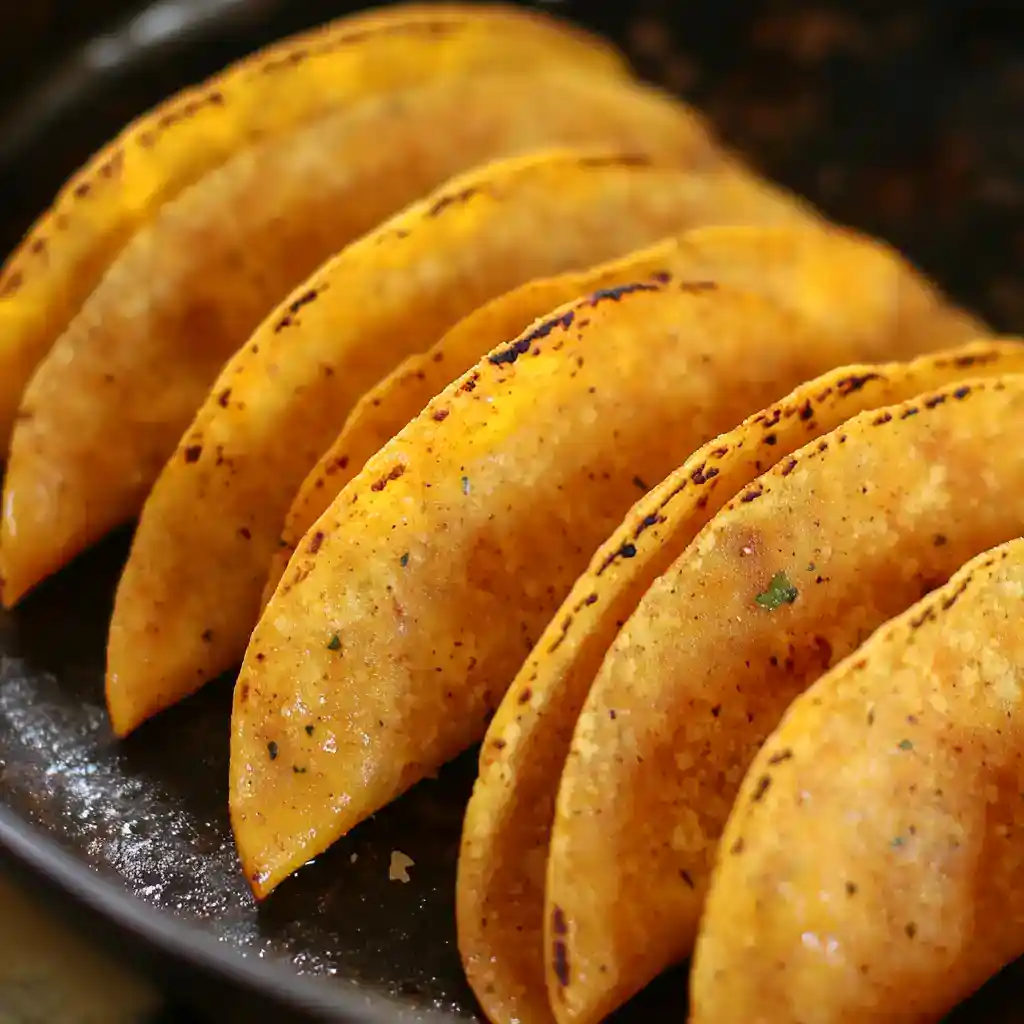
Ingredients
- 2 cups all-purpose flour (plus extra for rolling)
- 1/2 teaspoon salt
- 1/2 teaspoon baking powder
- 1/4 cup vegetable oil (or melted lard for traditional flavor)
- 3/4 cup warm water (not hot, just warm to the touch)
Instructions
- In a large mixing bowl, whisk together flour, salt, and baking powder until everything’s evenly distributed. This ensures consistent flavor in every tortilla.
- Add the vegetable oil and warm water to the flour mixture. Mix with a wooden spoon or your hands until a shaggy dough forms. It’ll look rough and messy at first—that’s exactly right.
- Turn the dough out onto a lightly floured surface and knead for about 5 minutes until it becomes smooth, elastic, and soft but not sticky. The dough should bounce back slightly when you press it. This kneading develops the gluten that makes tortillas flexible.
- Divide the dough into golf ball-sized portions—about 10-12 pieces. Roll each into a smooth ball and place on a plate. Cover completely with a damp kitchen towel and let rest for at least 20 minutes. Don’t skip this—the dough needs time to relax so it rolls out easily.
- Heat a dry skillet or griddle over medium heat while the dough rests. No oil needed—you’re cooking these dry for authentic texture.
- On a lightly floured surface, take one dough ball and flatten it slightly with your hand. Use a rolling pin to roll it out into a thin round shape, about 7-8 inches in diameter and roughly 1/8 inch thick. Don’t stress about perfect circles—rustic looks authentic and tastes the same.
- Carefully lift the rolled tortilla and lay it in the hot dry skillet. It should make a gentle sizzle. Cook for about 45 seconds to 1 minute until you see bubbles forming and the bottom has light brown spots.
- Flip the tortilla with a spatula or your fingers (carefully!) and cook the other side for another 45 seconds to 1 minute until spotted with brown. The tortilla might puff up like a balloon—that’s the sign of perfection.
- Transfer the cooked tortilla to a clean kitchen towel and wrap it up to keep warm. The steam keeps them soft and pliable. Stack subsequent tortillas in the same towel as you cook them.
- Repeat with remaining dough balls, rolling and cooking one at a time. Serve warm filled with your favorite taco ingredients—or just eat them plain with butter because they’re that good.
Nutrition Information (Per Tortilla):
- Calories: 115
- Carbohydrates: 18g
- Protein: 3g
- Fat: 4g
- Fiber: 1g
- Sodium: 120mg
- Iron: 6% DV
These homemade flour tortillas are naturally low in fat and provide energy from quality carbohydrates. They’re preservative-free and contain only simple, recognizable ingredients.
Notes:
- Warm water should be comfortable to the touch, not hot. You’re not activating yeast, just making workable dough.
- Don’t skip the resting time—it’s crucial for rolling thin, pliable tortillas.
- A dry skillet is essential for authentic texture and flavor. Oil makes them greasy and changes the texture.
- Keep finished tortillas wrapped in a towel so they stay warm and steamy. Cold tortillas crack when you try to fold them.
- Your first few might not be perfectly round, but they’ll taste amazing regardless.
Storage Tips:
Store completely cooled tortillas in a zip-top bag in the refrigerator for up to 1 week. Reheat in a dry skillet for 15-20 seconds per side before using. Freeze for up to 3 months by stacking with parchment paper between each tortilla, wrapped tightly in plastic wrap and foil. Thaw at room temperature and reheat before using. Don’t microwave to reheat—it makes them rubbery. Always use a dry skillet.
Serving Suggestions:
- Classic Tacos: Fill with seasoned meat, lettuce, cheese, and salsa
- Breakfast Tacos: Load with scrambled eggs, bacon, cheese, and avocado
- Quesadillas: Fill with cheese and other fillings, fold, and pan-fry until crispy
- Plain with Butter: Honestly, fresh tortillas with butter are incredible on their own
Mix It Up (Recipe Variations):
- Whole Wheat Tortillas: Replace half the all-purpose flour with whole wheat flour for heartier tortillas
- Flavored Tortillas: Add garlic powder, cumin, or finely chopped herbs to the dough
- Larger Burrito Size: Divide dough into 6-8 larger portions and roll bigger for wraps
- Traditional Lard Version: Use melted lard instead of vegetable oil for authentic Mexican flavor
What Makes This Recipe Special:
These homemade soft taco shells use traditional Mexican techniques that create the perfect balance of tender texture and sturdy structure. The method of resting the dough allows gluten to relax, making tortillas easier to roll thin and creating that characteristic soft, pliable texture that won’t crack when folded. Cooking in a dry skillet creates authentic charred spots and flavor without adding grease, resulting in tender tortillas that are infinitely better than store-bought versions with their preservatives and artificial flavors.
